Among other era-defining trends, the 2020s have been the decade of the cash-grab music festival. It seems like every two weeks a new VC-backed event promotion company has cobbled together a lineup of bands that people loved in high school to sell price-gouged wristbands for a festival so folks can gather together in a hot parking lot in Las Vegas, spend $15 on a beer and spend a day reclaiming their glory days.
This, for the record, is not an indictment of the consumers who choose to spend their money this way. Rather, it’s an attempt to name the impersonal economy of experiences that have begun to emerge in a post-Covid world. What does it mean for our music consumption to be folded entirely into a corporate pipeline, one that does not live where we live and is not beholden to the community in which it operates?
Maria Chaos, founder and CEO of Doll Fest, thinks the community that comes together around music is as important as the music itself. Doll Fest, a two-day, East Bay-based music festival that champions femme identities both onstage and behind the scenes, is gearing up for its second year of festivities in March of next year.
Doll Fest is starting to explore how it fits into the greater tapestry of Bay Area arts and culture as well as the larger community it exists within. As such, a portion of the proceeds from the upcoming festival will be contributed to the Trans Law Center, a national human rights organization focusing on trans rights and autonomy with its headquarters located in Oakland.
“I view this less as a political act,” Chaos said, “and more of just being a good person.” Within her community, Chaos is witnessing the continued escalation of systemic risk being directed toward the most marginalized populations. “Across the board, we’re seeing that it’s more dangerous for people.” The people she’s referring to are the historically subjugated: people of color, folks occupying a space of low socioeconomic power, trans and queer people, and those who occupy any number of intersecting identities.
It’s one thing to throw an event that celebrates an identity, and another entirely to take action to bolster support for it. Doll Fest bills itself as a femme-centered event and intends to cast a wide net of who is included under that umbrella. Femme can include cis and trans feminine presentations. It’s inclusive of any sexual orientation, race and ethnicity.
“We are trying to create a space where people feel safe and accepted,” Chaos said, “and are able to have a lot of fun.”
While the big festival is still a ways out, Doll Fest will host its first lead-up event, called The Femmes Are Giving, on Nov. 1 at Kilowatt Bar. The event is a charity concert to raise funds for Lyon-Martin Community Health Services, a free clinic offering an array of medical, mental health, and community services to the trans and queer community in San Francisco since 1979. When asked about her motivation for this event, Chaos is quite blunt: “If there is an entity offering healthcare free of judgment and free of financial obligation, that is worth protecting.”
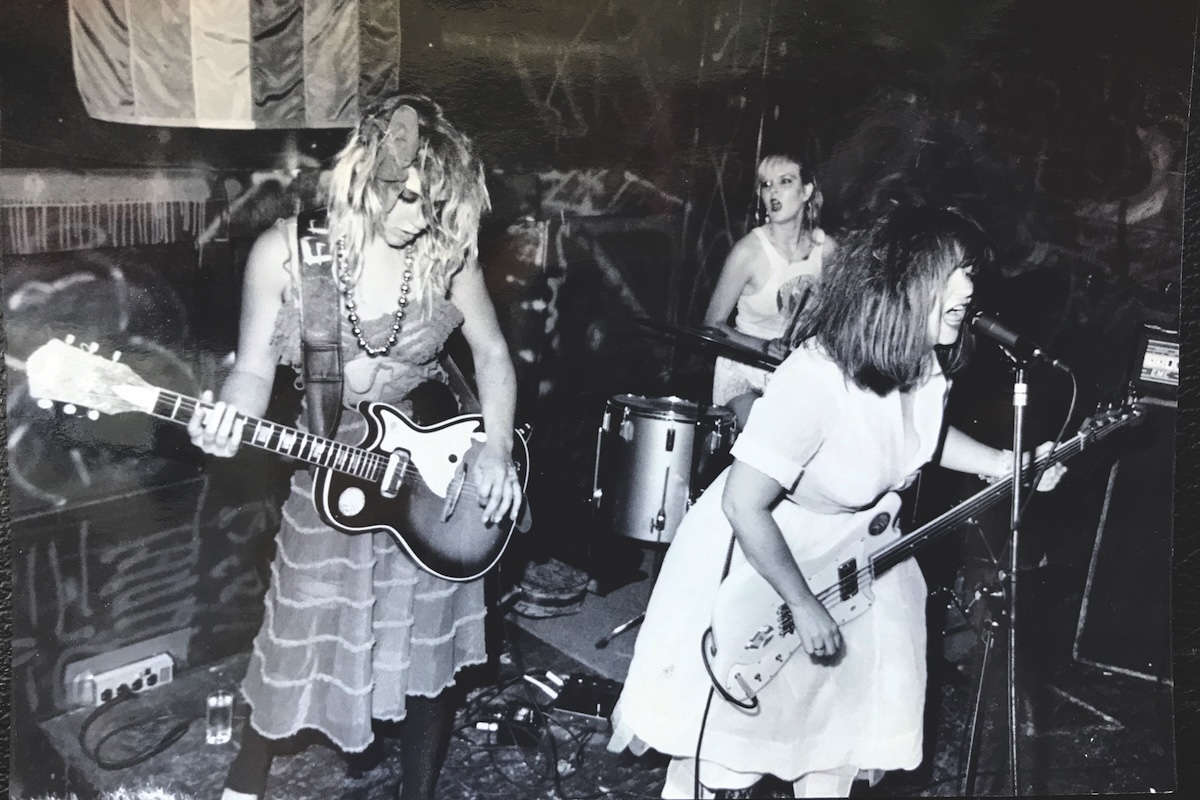
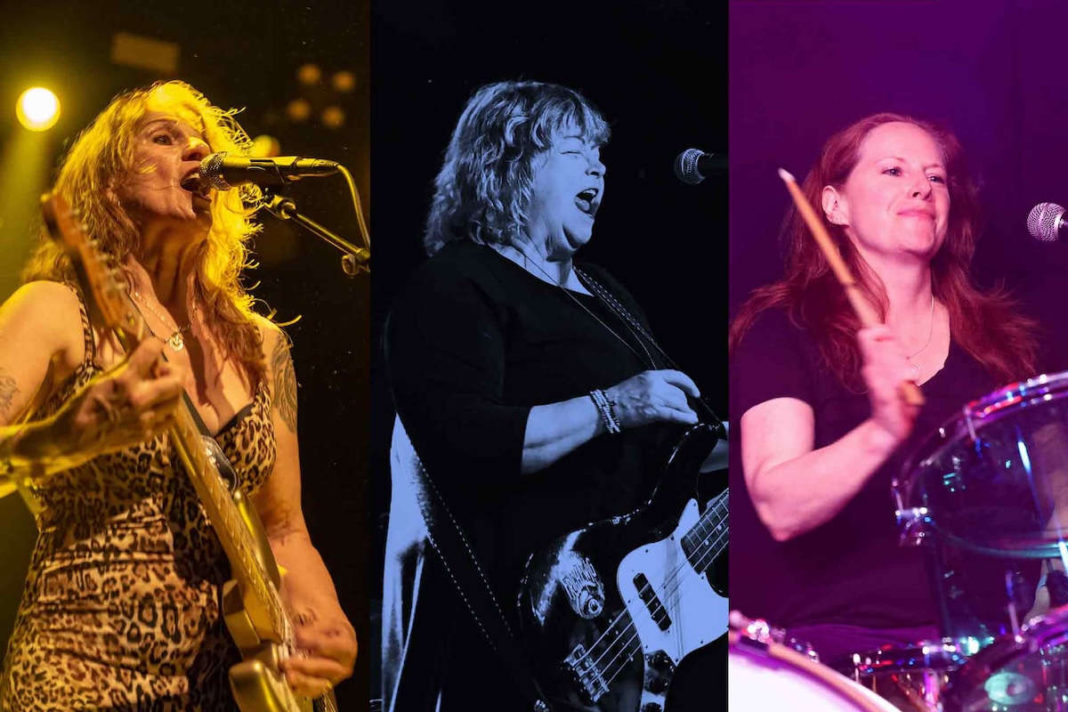
The show features a stacked lineup of femme-fronted bands, with a headlining set from the legendary punk outfit, Frightwig. Frightwig has been playing their brash, anti-patriarchal brand of punk since 1982 and feels a personal connection to this show. Deanna Mitchell, bassist for Frightwig, received services herself from Lyon-Martin in the ’80s.
“I had no money and no healthcare,” Mitchell said. “And I was treated so well there. There was no judgment.” Mitchell reported that Frightwig is always down to play for a righteous cause, citing the band’s record of playing one of the first AIDS benefits in San Francisco in the ’80s, and names the continued importance of showing up for one’s beliefs.
Doll Fest with Frightwig, Skip The Needle, Hot Laundry, the Furious Tits and Half Rotten Goddess at 6pm Saturday, Nov. 1, at the Kilowatt, 3160 16th St., San Francisco. kilowattbar.com