
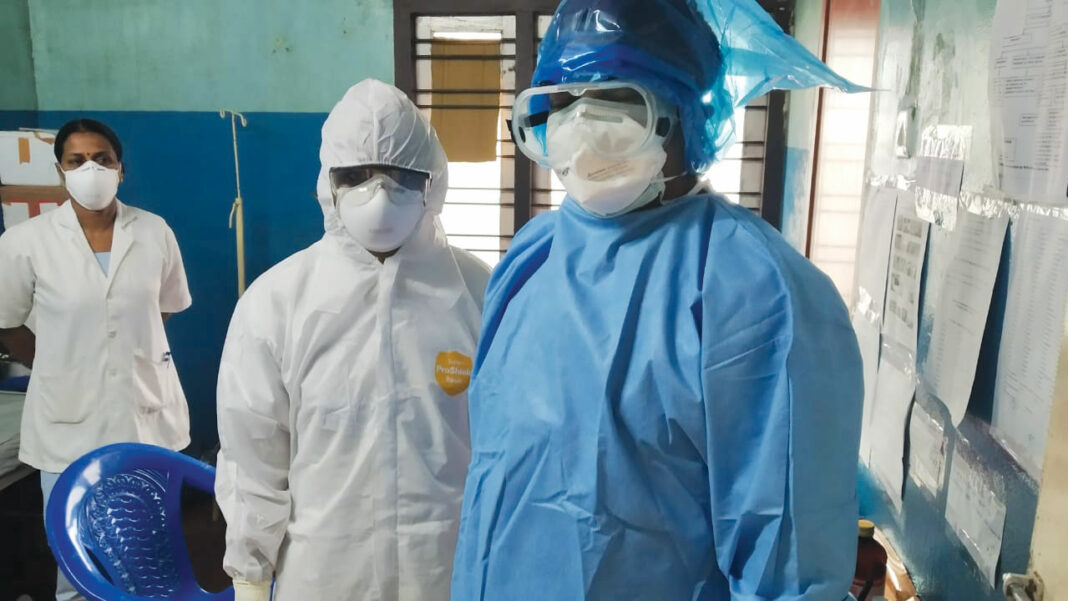
Humanity’s best—hands down and (eventually, finally) dressed in gowns with proper PPE—were the heroes serving in Bay Area hospitals, clinics, community health centers and testing sites, homeless encampments and other locations. These were folks who, during the pandemic, brought public service to a higher level, often putting their own health at great risk. Their decision to work was fueled by economics, but also by what seemed to be an otherworldly, altruistic factor that streamed through their veins and arteries. A friend of mine’s wife is an emergency room nurse who made the choice to isolate from her husband and children. She lived in the same home with her family like a paranoid, not only sequestering herself in a separate room for months on end, but doing daily laundry, decontaminating any shared surface touched, gathering meals left for her on the stairway as if for a feral animal, eating alone and following strict, Zoom-attendance-only protocol at family and holiday celebrations. She and other healthcare workers exemplify the best of humanity.
Hallelujah for the people across the country who nightly stood on their balconies to cheer healthcare workers coming off their shifts, and to the neighbors who held howling festivals on front porches in bursts of community togetherness that defied the cleaving power of Covid. Following more traditional channels, faith communities worshipped online. More than one church, synagogue, mosque, temple or other worship center devised special task forces to better serve their members and all people who lacked access to the internet, but desired access to a higher power. Youth groups realigned annual mission trips abroad or to Mexico or South America and focused their energy at home: preparing meals and supply kits for the homeless, serving at food banks and kitchens, shopping for house-bound seniors or people with physical disabilities and more. Praise-worthy investment in the local community’s welfare and social-justice issues resulted in a surge of virtual conferences, panels, expert presentations and Zoom gatherings or outdoor rallies addressing anti-racism and allyship, restorative justice practices, inequities in education, policing, mental health stigmas and more.